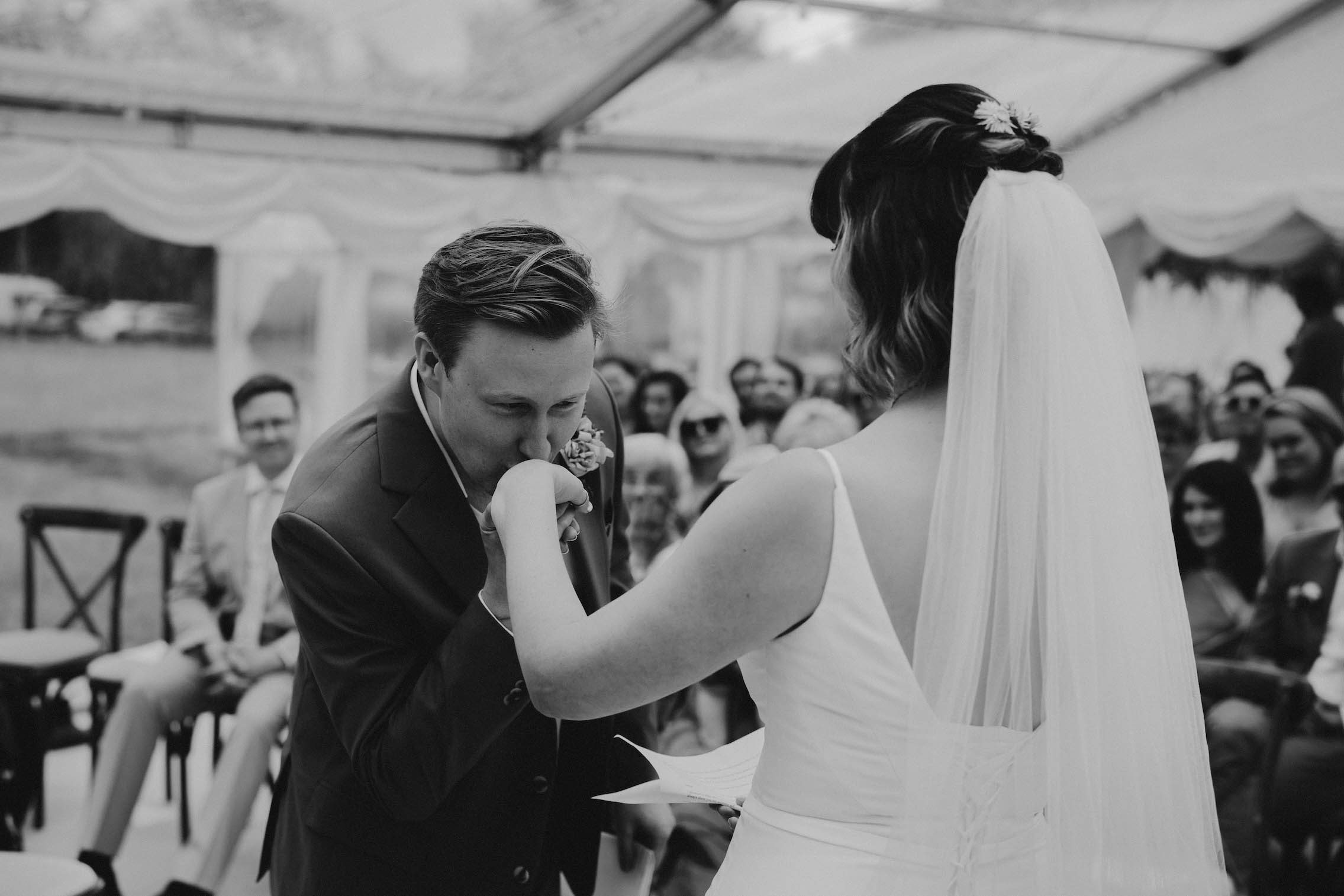
How to get married in Cornwall – Legal Requirements, Venue Types and Ceremony Options

How to get married in Cornwall – A Complete Guide
Congratulations, you’re engaged! And excited to get planning your dream wedding! But that excitement can quickly lead to a fair bit of confusion and overwhelm, when you realise there are many different ways to get married in Cornwall. So let me make it a bit clearer for you and help you to find your perfect type of wedding ceremony in Cornwall.
Cornwall is one of the most popular wedding destinations in the UK and for good reason. With dramatic coastal cliffs, stunning golden beaches, historic churches, rustic barns and beautiful moorland area’s, Cornwall is bound to have a location that matches with the vision you have for your wedding day.
But before you start planning sunset portraits on the cliffs or googling Cornwall Wedding Venues, It is important to understand the legal requirements for getting married in Cornwall and the different types of wedding ceremonies available.
This guide will provide everything you need to know about how to get married in Cornwall but is equally valid for all weddings across England and Wales.
Legal Requirements for Getting Married in Cornwall
The legal process for getting married in Cornwall is the same as the rest of England. However, if you’re planning a destination wedding in Cornwall, it’s important to understand the steps involved.
To legally marry in Cornwall, you must:
- Give notice of marriage
- Hold your ceremony at a licensed venue or place of worship
- Have the ceremony conducted by an authorised person, witnessed by at least 2 witnesses
Lets look at each step in closer detail.
Giving Notice of Marriage
Before your wedding can take place, both partners must give legal notice of marriage. This is done at your local registry office, not necessarily in Cornwall. You will have to give notice at least 29 days in advance of your planned wedding date. You should contact your local registry office for the exact requirements and to make an appointment in person with the relevant required documents with you. This notice period can be up to 70 days if you or your partner are from outside of the UK. The notice period usually last for 12 months and so you need to get married within this time frame or contact your registry office to renew.
Once this process is completed, you are legally allowed to get married.
Choosing a Licensed Wedding Venue in Cornwall
For a wedding to be legally recognised in England or Wales, the ceremony must take place at a licensed venue or a registered place of worship. Cornwall has around 170 licensed venues of all kinds. There are coastal, cliff-top barns, secluded manor houses, purpose built of repurposed wedding farm venues, Hotels, Castles and heritage buildings, country estates and registry offices. Many Wedding Venues in Cornwall offer indoor and outdoor spaces for your ceremony to be held, as well as providing flexibility depending on the weather.
Who Can Legally Conduct Your Wedding Ceremony?
A legal wedding ceremony in Cornwall must be conducted by an authorised person, such as a registrar, a Church of England Vicar or another authorised religious officiant. Once the marriage ceremony has been completed and signed, your marriage is officially registered and you’ll receive your certificate of marriage soon after.
Types of Wedding Ceremonies in Cornwall
There are three main ways couples choose to get married in Cornwall. Each option offers a slightly different experience depending on whether you want a religious ceremony, a legal civil ceremony or a personalised celebrant led symbolic ceremony.
Religious Wedding Ceremonies in Cornwall
Cornwall is home to many historic churches and chapels, many of which are located in or near beautiful coastal villages or settings. Religious ceremonies can take place in registered places of worship including Catholic Churches, Church of England churches, Methodist Chapels and other registered religious buildings. It is always best to approach these places of worship directly to discuss your (and their) requirements. Some religions will require you to attend the place of worship on a regular basis or have some form of qualifying connection in order to get married there. As always, the earlier you make contact, the more likely you are to secure a particular time our date for your ceremony.


Civil ceremonies in Cornwall
A civil ceremony is the most common way to get married in Cornwall and leans your wedding in legally binding. These ceremonies are conducted by registrars from Cornwall Council and can take place at the full range of registered venues across the county of Cornwall or at one of their many registry offices dotted across Cornwall. For more information, you can search My Cornwall Wedding and all the information can be found there.
Civil ceremonies are not religious and there are restrictions on using religious readings for example, b ut they do allow for a degree of personalisation, with your own vows and readings as well as the official readings. Many Cornwall Wedding Venues host civil ceremonies with stunning backdrops such as coastal terraces, gardens or historic interiors. Some venues have also been licensed for ceremonies to be conducted anywhere on the grounds of the venue, whereas in the last, the ceremony would have to be under some form of licensed structure if held outdoors. Your best bet is to check with your venue for the most up to date locations where the ceremony can be held, indoors and outdoors.
Celebrant ceremonies in Cornwall
Celebrant led ceremonies are becoming extremely popular in Cornwall, particularly for couples who want outdoor ceremonies without being tied to any particular venue. The growth in more bespoke elopements in Cornwall is also a reason for increases in Celebrant led ceremonies. A Celebrant led ceremony is a fully personalised ceremony conducted by an independent celebrant instead of a registrar. Celebrants tend to work much more collaboratively with their couples to really get to know each other in order to create an extremely personal ceremony.
The biggest advantage of a celebrant led ceremony is the flexibility that is afforded by not being restricted on location. Celebrant ceremonies can literally take place anywhere you like, so long as you have the landowners permission. Beaches, woodland, moorland, private gardens, the list is endless. So if you ever fancied a sunrise ceremony on a beach or cliff-top in Cornwall, A celebrant is probably the way to go.
However, a celebrant ceremony is not a legal ceremony. As such, you would still need to do ‘the legal bit’ either before or after your ceremony to make your marriage legally binding. This would involved providing notice to your registry office and then attending to complete your marriage paperwork. But this is an increasingly common practice for couples getting married in Cornwall. Celebrant ceremonies are perfect if you want a relaxed outdoor ceremony and a bespoke service that can make use of various symbolic rituals like hand fasting.


Can you get married on a beach in Cornwall?
The short answer is yes you can, BUT!
You cannot legally get married on a beach unless your chosen wedding venue is licensed for marriages and they have a beach on or next to their venue that has been authorised.
So you either have to find a venue with a beach attached to it or go down the celebrant led ceremony route. The only beach in Cornwall that is officially licensed for a legal ceremony is Lusty glaze in Newquay. You can find out more about Lusty Glaze by checking out my blog on Jason and Laura’s beach ceremony and wedding here .
Final Thoughts
Getting married in Cornwall combines amazing scenery with a relaxed destination wedding feel that makes Cornish weddings really special. Now you have a much better idea of how to get married in Cornwall. Understanding the options for the different ceremonies will helpfully steer your decision making process and identify the types of ceremony you would like and the venues available to you. If you are just starting out on your planning journey, have a read through some more of my blogs and let me know if you would like to discuss your plans further. Get in touch via my contact form here.